Software Defined Radio (SDR) and Field-Programmable Gate Arrays (FPGA) — A Free Radio Scanner

Software Defined Radio (SDR) and Field-Programmable Gate Arrays (FPGA) — A Free Radio Scanner

When I was grow­ing up, one of my favourite birth­day presents was a Uniden UBC3000XLT radio scan­ner. I enjoyed find­ing and lis­ten­ing to var­i­ous radio trans­mis­sions, and I had some suc­cess decod­ing data trans­mis­sions and morse code using my PC and Sound Blaster soundcard.
Uniden UBC-3000XLT Radio Scanner

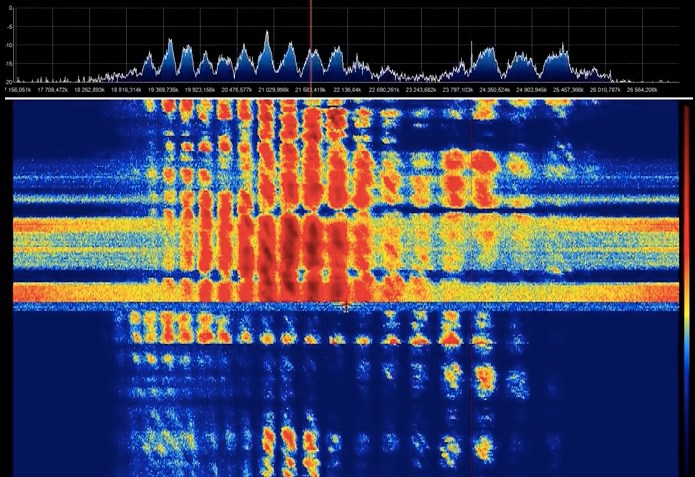
I was inter­est­ed to read about a tech­nique called Soft­ware Defined Radio (SDR), which can sam­ple the entire short­wave spec­trum, and use the pro­cess­ing pow­er of a com­put­er to vir­tu­al­ly ‘tune’ in to transmissions.

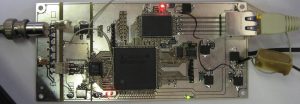
A home-built SDR board oper­at­ing at the Uni­ver­si­ty of Twente in the Nether­lands (pic­tured below) and a receiv­ing ele­ment around 5cm x 10cm is capa­ble of receiv­ing a fre­quen­cy range of 0 — 29.160 MHz.

It uses a Spar­tan XC3S500E Field-Pro­gram­ma­ble Gate Array. FPGAs can be pro­grammed using a hard­ware descrip­tion lan­guage, and arrays of pro­gram­ma­ble log­ic blocks which can be vir­tu­al­ly inter-wired. The most impor­tant advan­tage over a micro­con­troller like a Atmel/Arduino, is these oper­a­tions can hap­pen in par­al­lel, which is crit­i­cal to cre­at­ing a soft­ware defined radio, as a typ­i­cal AVR micro­proces­sor sim­ply does­n’t have the nec­es­sary clock speed. The sam­ple rate must be at least twice the max­i­mum fre­quen­cy of the sig­nal (Nyquist theorem).

PA3FWM Software Defined Radio
Soft­ware Defined Radio at the Uni­ver­si­ty of Twente

Tak­ing this a step fur­ther, Soft­ware Defined Radio can allow mul­ti­ple users to share the same receiv­er. At time of writ­ing, 184 users are lis­ten­ing to dif­fer­ent fre­quen­cies using the receiv­er at the University.

You can lis­ten for your­self at the Wide-band Web­S­DR at Uni­ver­si­ty of Twente. It’s essen­tial­ly a free radio scan­ner any­one can access for free. You might enjoy stum­bling upon a vari­ety of trans­mis­sions from all over the world, and you may have suc­cess using tools like Sor­cer­er to decode data trans­mis­sions, weath­er fax trans­mis­sions, and morse code.

With the ever-con­tin­u­ing advances in data stor­age capac­i­ties and scal­able clouds, one day it may be a triv­ial mat­ter to archive the entire radio fre­quen­cy spectrum.

Vacation with Autographer

Vacation with Autographer

I was lucky enough to take an Auto­g­ra­ph­er device on vaca­tion to the Unit­ed States this year.

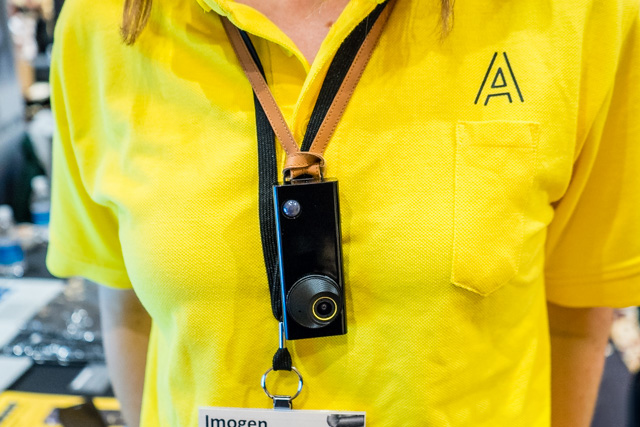
This piece of wear­able tech­nol­o­gy is designed to be an ‘auto­mat­ic pho­tog­ra­ph­er,’ doc­u­ment­ing your life with­out inter­rupt­ing it.Autographer digital camera

Auto­g­ra­ph­er is a small wear­able cam­era, that uses five sen­sors to deter­mine opti­mal moments to take pho­tographs. The sen­sors include a three axis accelerom­e­ter, com­pass, light sen­sor, heat sen­sor and GPS.

A few years ago I con­struct­ed a device using a keyring dig­i­tal cam­era and an Atmel AtTiny chip (essen­tial­ly a tiny, low pow­er Arudi­no). The idea was to take a pho­to­graph at set inter­vals, in order to doc­u­ment a day’s activ­i­ties. Pow­er and stor­age require­ments at the time meant it was­n’t feasible.

I found my Auto­g­ra­ph­er cam­era last­ed most of a day with a full charge. The 8GB stor­age last­ed approx­i­mate­ly three weeks.

It was a great talk­ing point when meet­ing new peo­ple. And it is great to have mem­o­ries doc­u­ment­ed. I have found it ‘reminds you to remem­ber moments’ when look­ing through images. I believe back in the days of Sense­Cam, a tar­get for the tech­nol­o­gy were patients with mem­o­ry loss.

The soft­ware sup­plied can cre­ate short time­lapse videos, and com­bine it with music. I made a quick video of a day at the beach, and won Auto­g­ra­pher’s pic­ture of the week, and received a t‑shirt.

Here is the video:

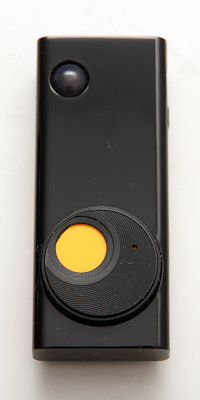
The low­er cir­cu­lar part of the cam­era is a lens cap. When closed, it shows a bright yel­low area. I found myself clos­ing the lens cap dur­ing moments requir­ing pri­va­cy. This removed any doubt that per­haps the device was still operating:

I would high­ly rec­om­mend this cam­era for any­one who would like a record of their dai­ly activ­i­ties, per­haps on a spe­cial vaca­tion. I have want­ed to be able to record in this fash­ion for years, and this device func­tioned admirably.

You can find out more about this device at the Auto­g­ra­ph­er web site